Adapting to climate change in Australia’s rangelands
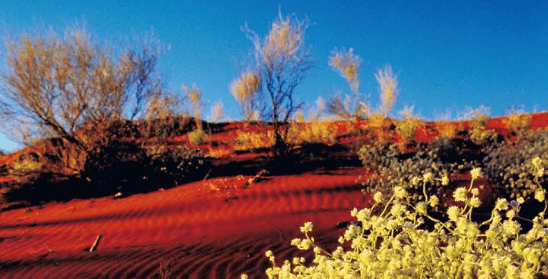
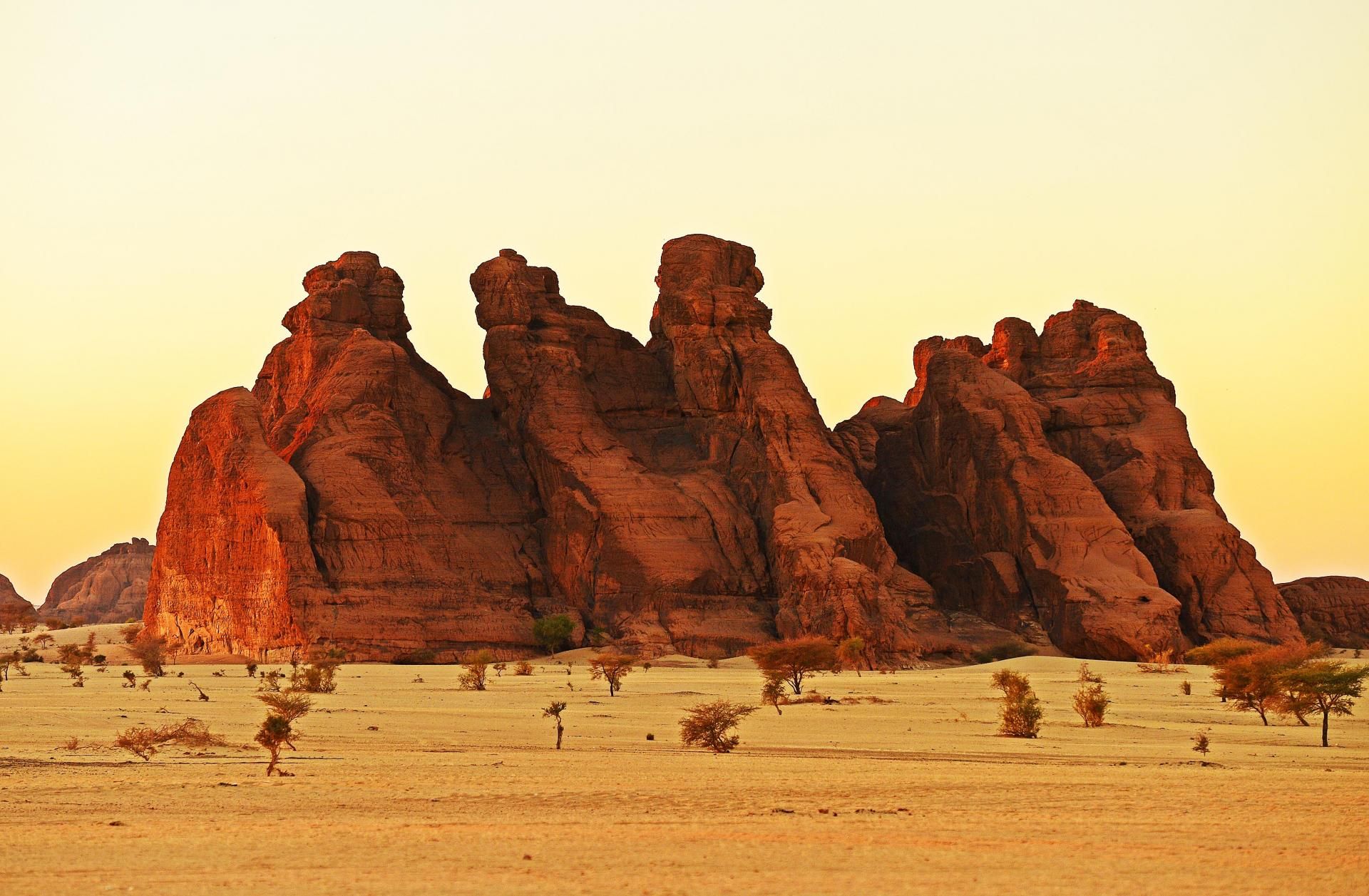
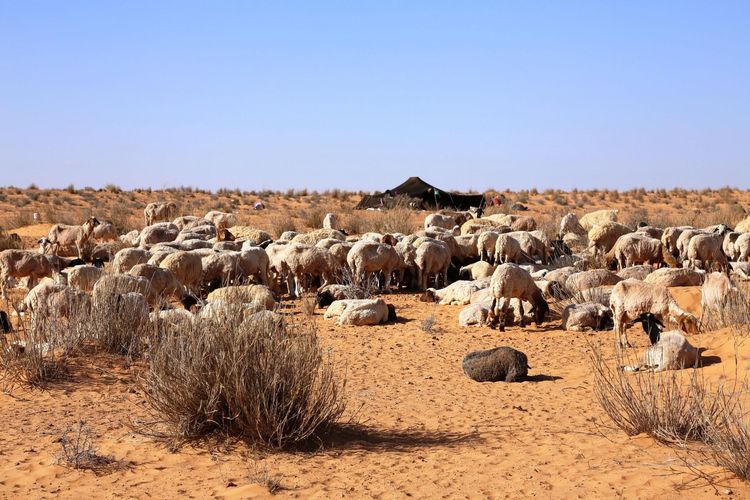
Chad is a Sahelian country that presents a dramatic variety of geographic contrast in three zones: i) the Sudanian zone, ecologically part of the wet Congo basin and contains half the country’s cultivated land, rainfall averages between 800 – 1,200 mm annually; ii) the semiarid Sahelian zone, where the main activities are pastoralism and cultivation of cereals, rainfall averages between 300 – 800 mm annually; and iii) the arid Saharan zone, rains are infrequent, with an annual average of less than 200 mm.
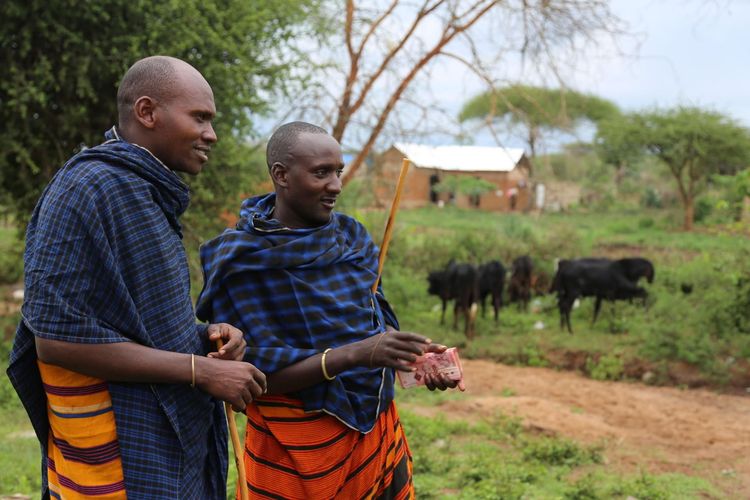
Mobile pastoralists in Chad’s ecosystems are able to provide both food and livelihood security thus contributing to national wealth not only through the production and sale of animal-based products, but also through a high level of self-consumption which is not well assessed. However, rapid population growth, the effects of climate change, the new oil economy, and persistent conflict have brought in both opportunities and threats for Chadian pastoralists. Moreover, a lack of reliable data on the full contribution of pastoralism in Chad to regional and national economies has yet to be understood by policy actors.
A study, Pastoralist-Driven Data Management Systems, was implemented by FAO and CIRAD (Centre de Coopération Internationale en Recherche Agronomique pour le Développement) and funded by IFAD (International Fund for Agricultural Development) to assess the economic contribution of pastoralism to Chad. The study found that 54% of average gross revenue of a pastoral household is provided by livestock product sales and contributes to 11% of Chad’s GDP (gross domestic product) and 24% of agricultural GDP. When self-consumption is included, the contribution of the sector to the GDP rises to 27% and 61% of agriculture. Household consumption provides for subsistence needs and is crucial for overall resilience of pastoral communities, and therefore must be recognised in national economic estimates.

We are proud to partner with a diverse group of visionary organizations who share our commitment to innovation, excellence, and creating meaningful impact.




















© Data Rangelands, 2025
Designed and developed by: