Elysium Cerrado Restoration Project, Brazil

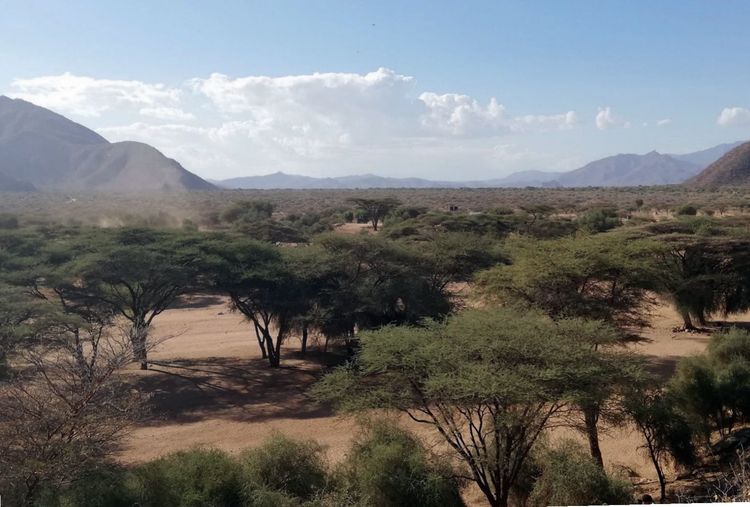
Ol Pejeta Conservancy (OPC) is a 90,000-acre wildlife and livestock landscape located in Central Kenya, operating as a conservancy since 2004, with ranching heritage dating back to 1924. It is widely recognized as one of Africa's most advanced models of integrated conservation and regenerative cattle management. The Conservancy hosts East Africa's largest black rhino population, the last two northern white rhinos on Earth, and more than 50 species of large mammals coexisting with livestock, embodying a rare example of productive land achieving high biodiversity outcomes.
Its business model integrates wildlife conservation, livestock production, tourism, genetics, education, and community development into a cohesive, self-financing system. Annual reports show that tourism has historically provided the financial backbone for conservation, with over 100,000 visitors recorded in 2018, more than half of them Kenyan citizens — demonstrating strong domestic engagement and diversified revenue streams. After the COVID-19 shock — when tourism fell by 71% — the livestock enterprise proved essential, increasing revenues by 216% and delivering close to US$1 million in profit, reinforcing the importance of a diversified and resilient business model (Ol Pejeta Conservancy Annual Report, 2020).
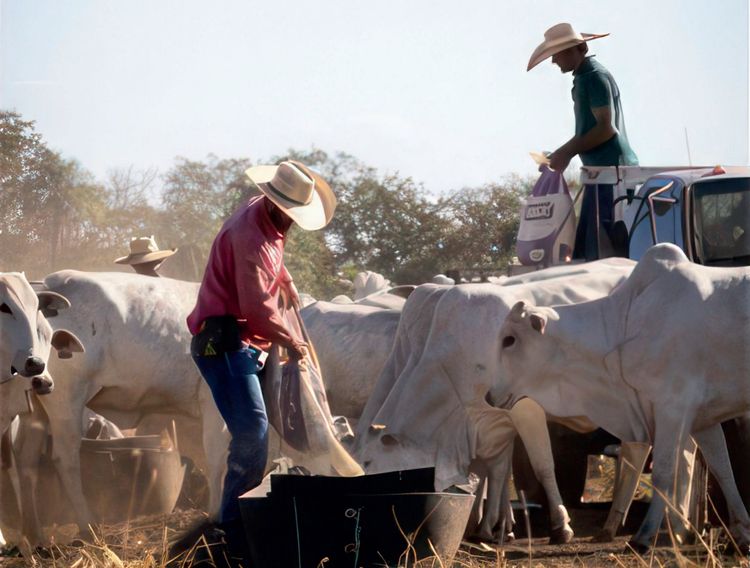
Ol Pejeta maintains the world's largest pure-bred Boran herds (6,000–7,000 head), complemented by selective Angus and Wagyu crosses to enhance carcass quality while preserving the Boran breed's resilience to heat, drought and disease. Smaller Jiddu and Serenli herds are fattened and marketed through the Conservancy under the Cattle-to-Market scheme, a partnership model that provides pastoralist producers with grazing access, veterinary support, finishing capacity, and formal market integration. This approach is highlighted in multiple annual reports as a key mechanism for income generation and coexistence in surrounding pastoralist communities.
Core partnerships — including the Kenya Wildlife Service, Boran Cattle Breeders Society of Kenya, Laikipia Conservancies Association, Bio Rescue Consortium and international NGOs — provide OPC with scientific, genetic, and security capacity necessary for high-impact operations. These collaborations underpin OPC's success in maintaining zero rhino poaching since 2017, scaling digital monitoring systems, and advancing conservation breeding efforts such as the 24 northern white rhino embryos now in cryostorage (Ol Pejeta Conservancy Annual Report 2022).
Tourism remains the largest source of income, with revenues from safaris, lodges, education programs, and visitor activities directly funding wildlife protection, rangeland restoration, and community services. Even during periods of severe climate stress — such as the 2022 drought, when rainfall dropped to 598 mm and buffalo mortality exceeded 300 animals, the Conservancy sustained its community services and ecological monitoring operations.
Through its “Ol Pejeta Boran Beef” and “Conservation Beef” brands, OPC markets traceable, halal-certified, hormone-free, grass-fed beef, positioning livestock not only as a commercial asset but as a tool for ecosystem restoration and financial resilience. Revenues generated from beef and genetics are reinvested into conservation, anti-poaching security, climate adaptation infrastructure, and community development, reinforcing a circular and regenerative model where livestock, wildlife, and people benefit simultaneously.

We are proud to partner with a diverse group of visionary organizations who share our commitment to innovation, excellence, and creating meaningful impact.













© Data Rangelands, 2025
Designed and developed by: